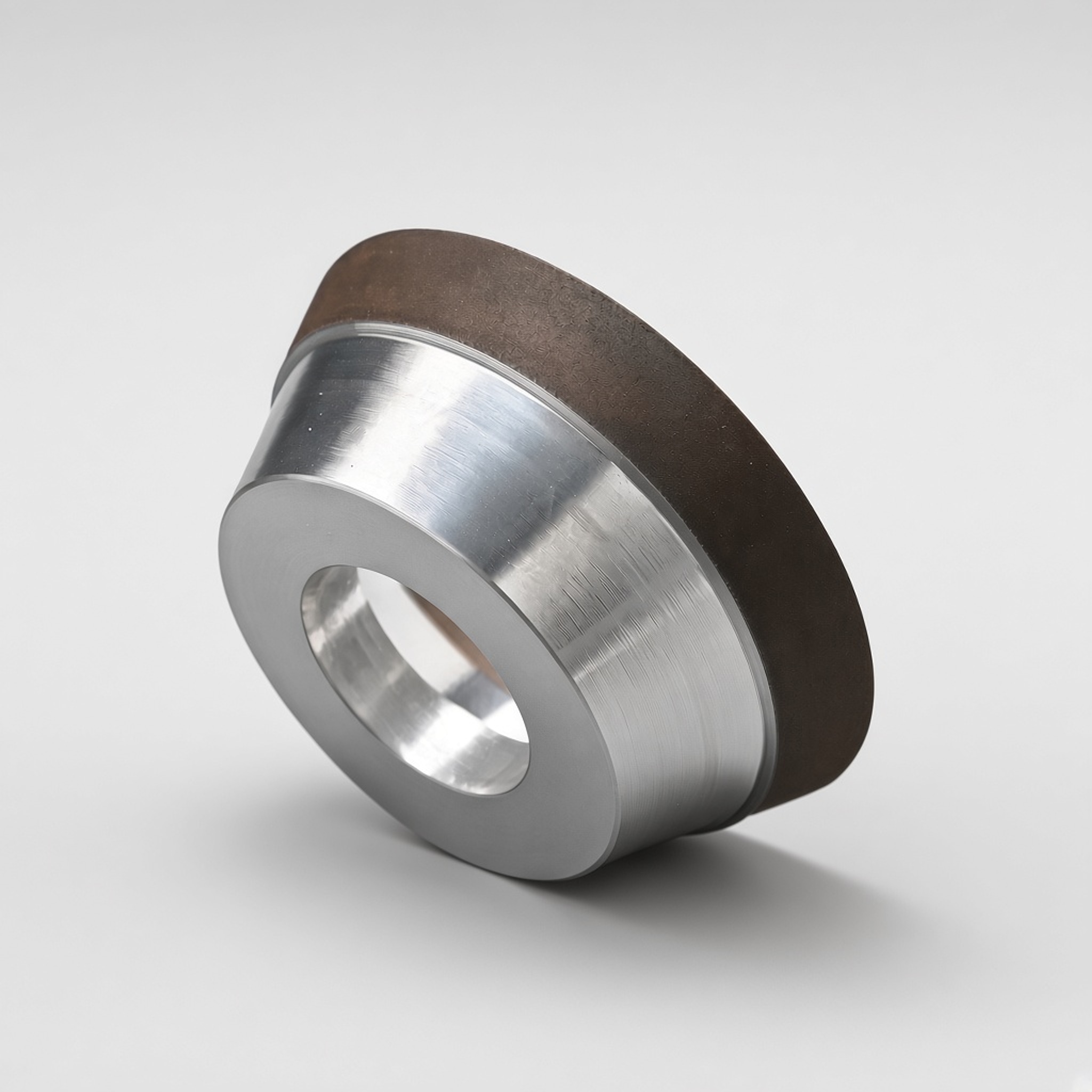
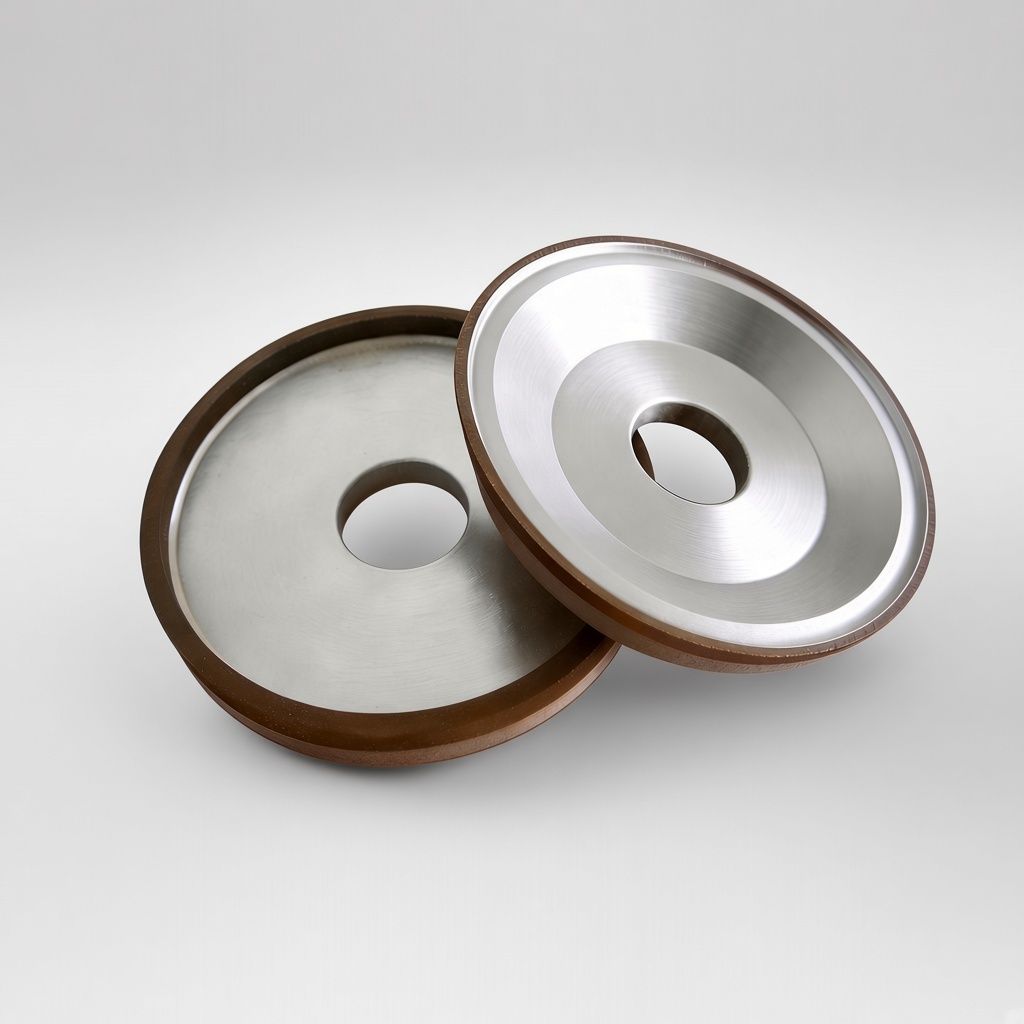
Resin Bond Diamond & CBN Wheels for Mold and Die

Product Information​

What we grind

Resin wheels grind the die, not the molded part — punch OD, die-plate faces, carbide inserts, and form cavities. Resin is for finish and geometry: the bond stays cool and self-sharpens on carbide and on hardened die steel.

Typical machines: Okamoto, Jung, Blohm, Chevalier (surface); Studer, Toyoda, Kellenberger (cylindrical); Heald, Moore, Hauser (ID / jig).

Diamond or CBN

Abrasive Workpiece Do not use it on
DiamondCarbide die inserts, carbide punches, tungsten-carbide form blocksMold steel, H13, D2, SKD11, or any ferrous cavity
CBNTool-steel / mold-steel punches, cavities, and die plates (D2, H13, SKD11, and similar)Carbide inserts — use diamond

If the job is a carbide insert in a steel holder, grind the insert with diamond. Grind the steel body with CBN. One wheel cannot do both.

Shapes

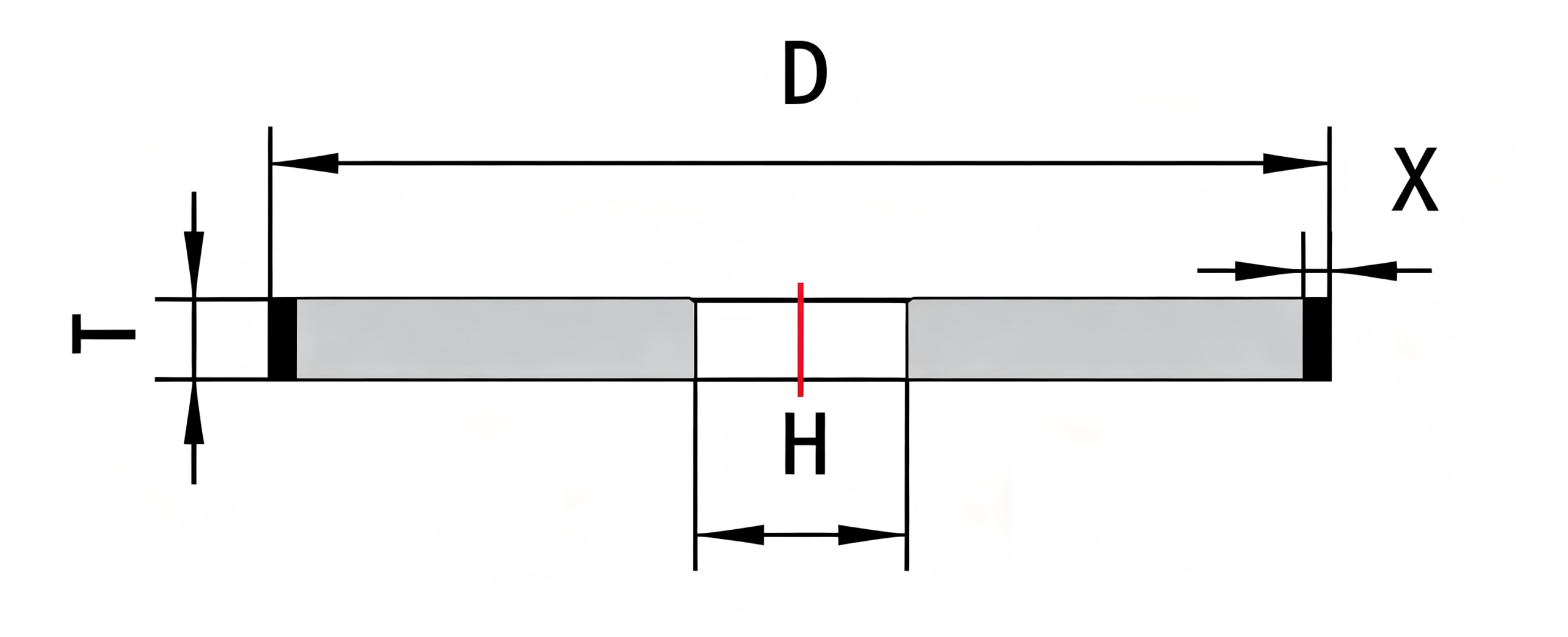
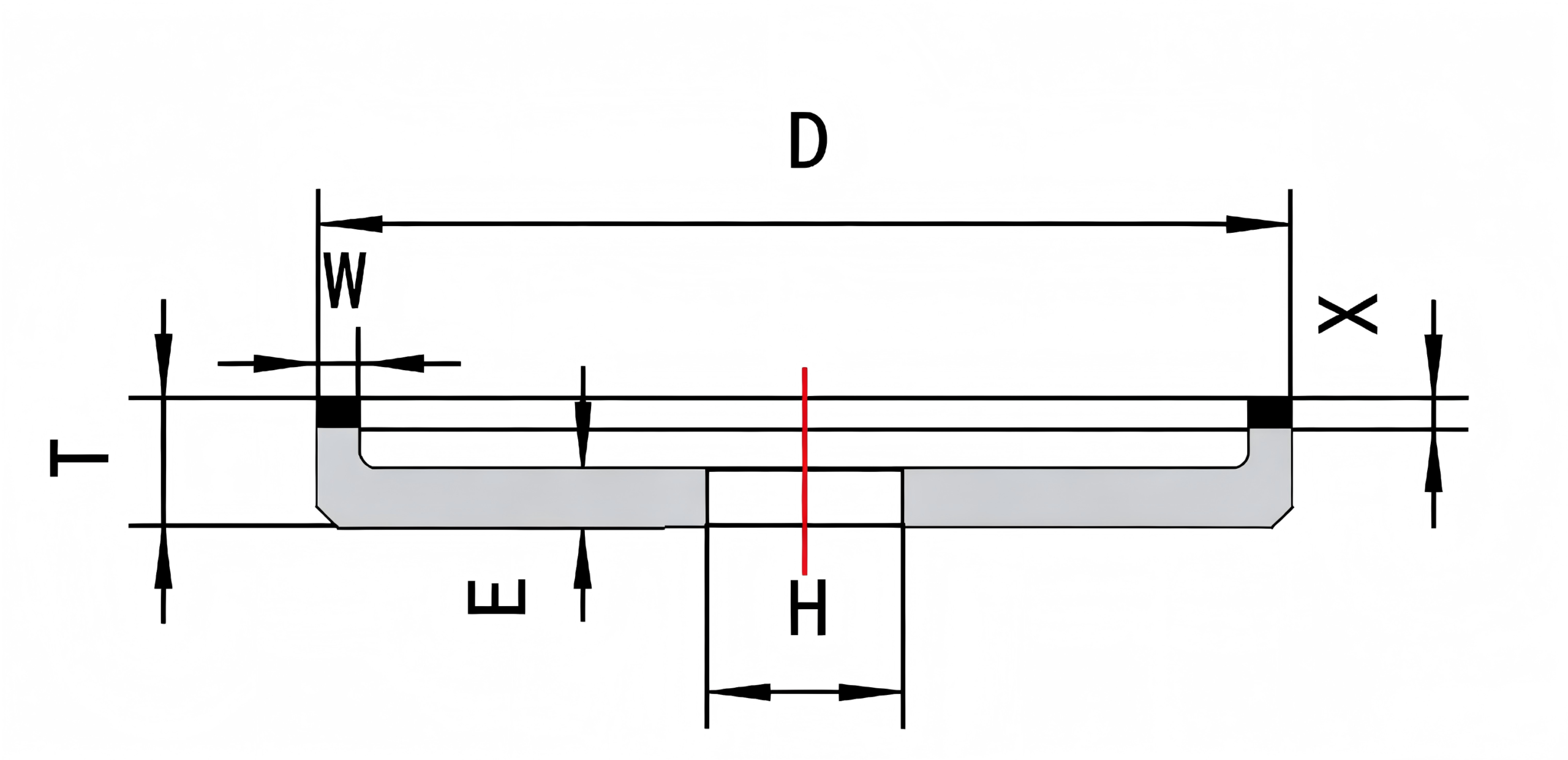
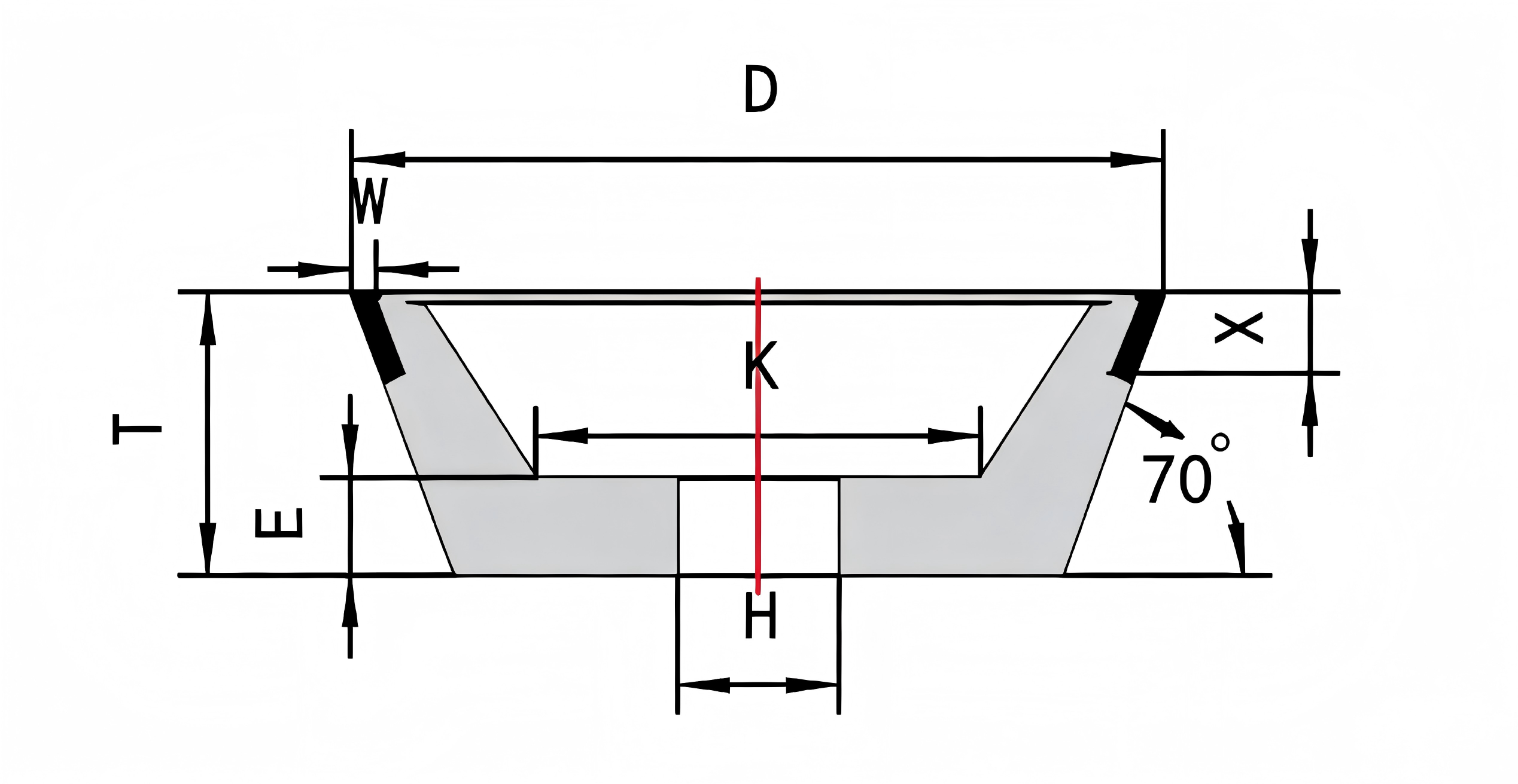
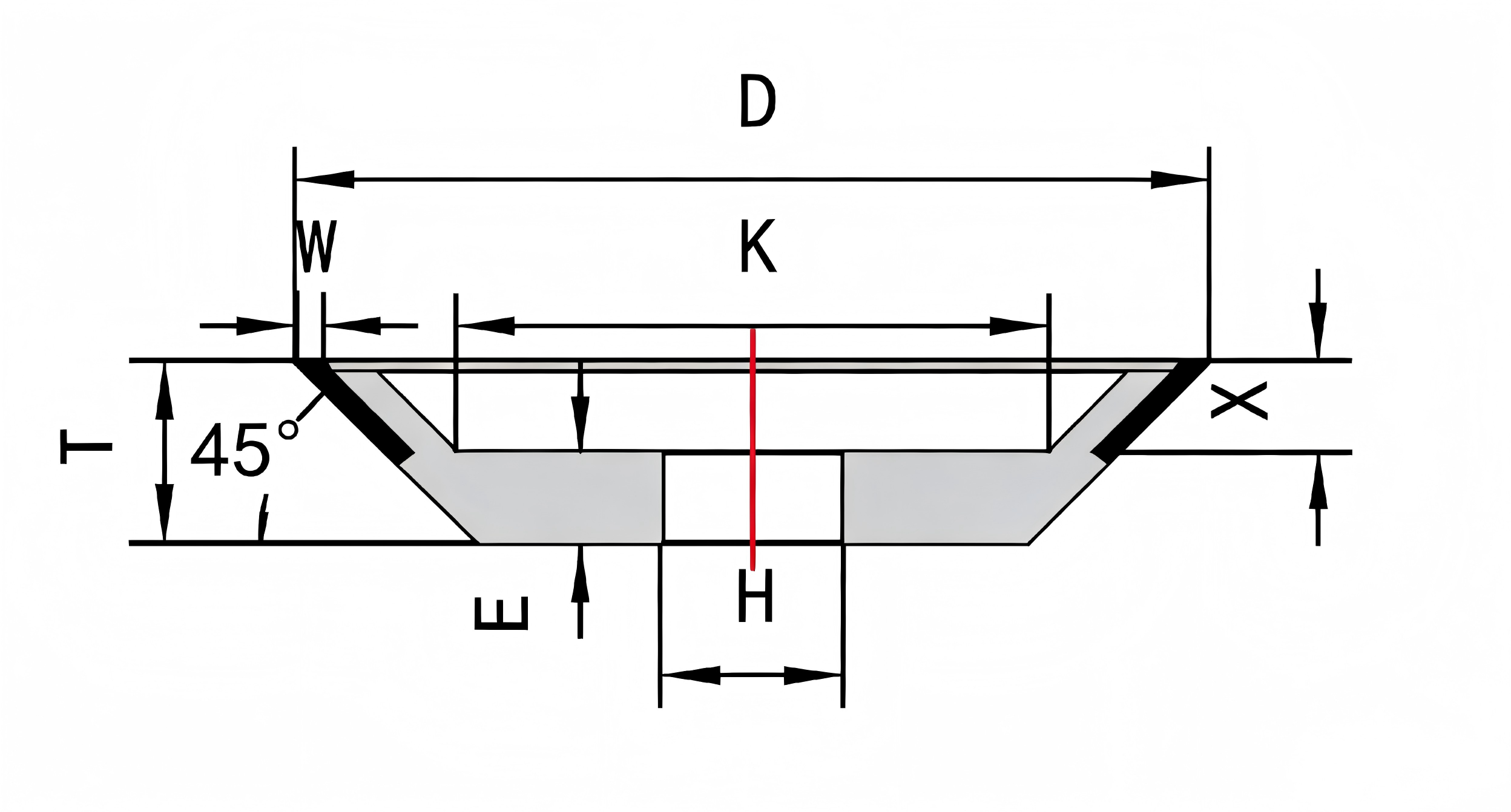
Shape Drawing Role on mold and die
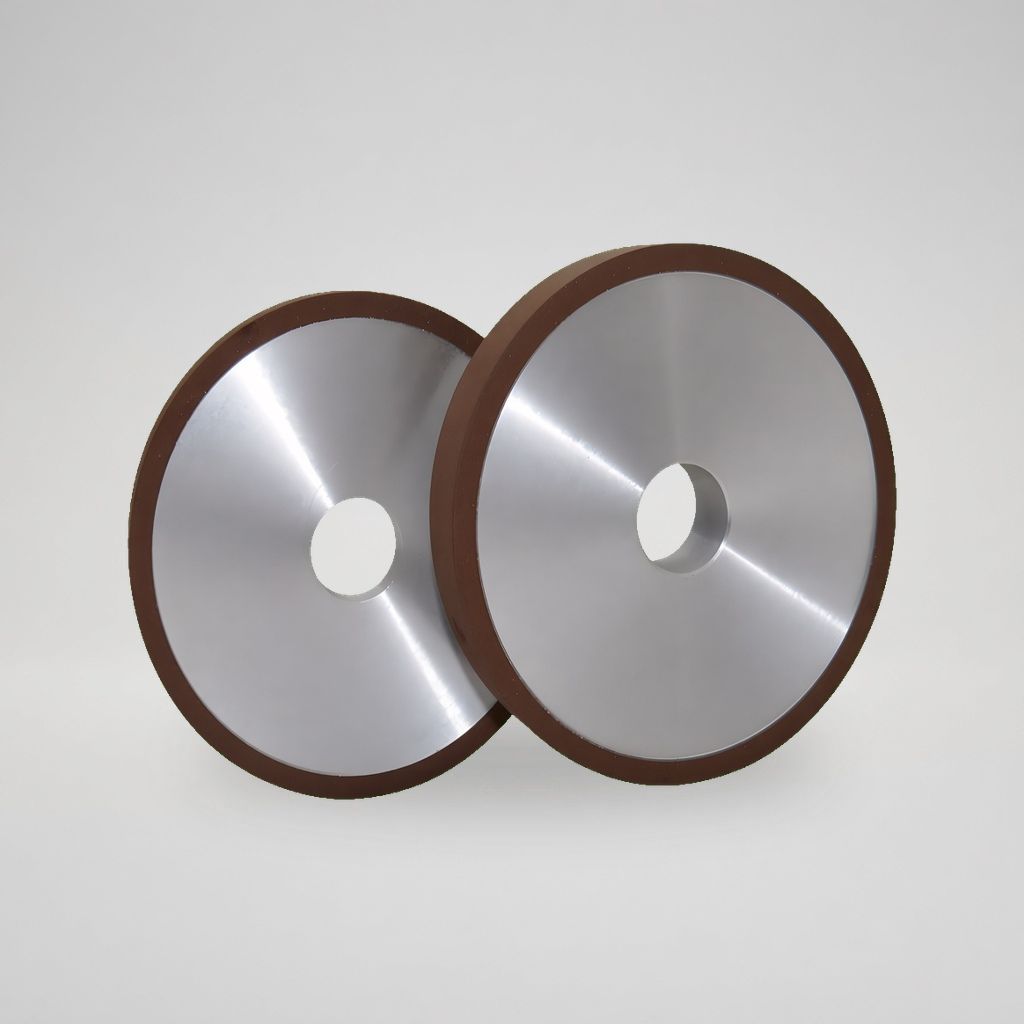
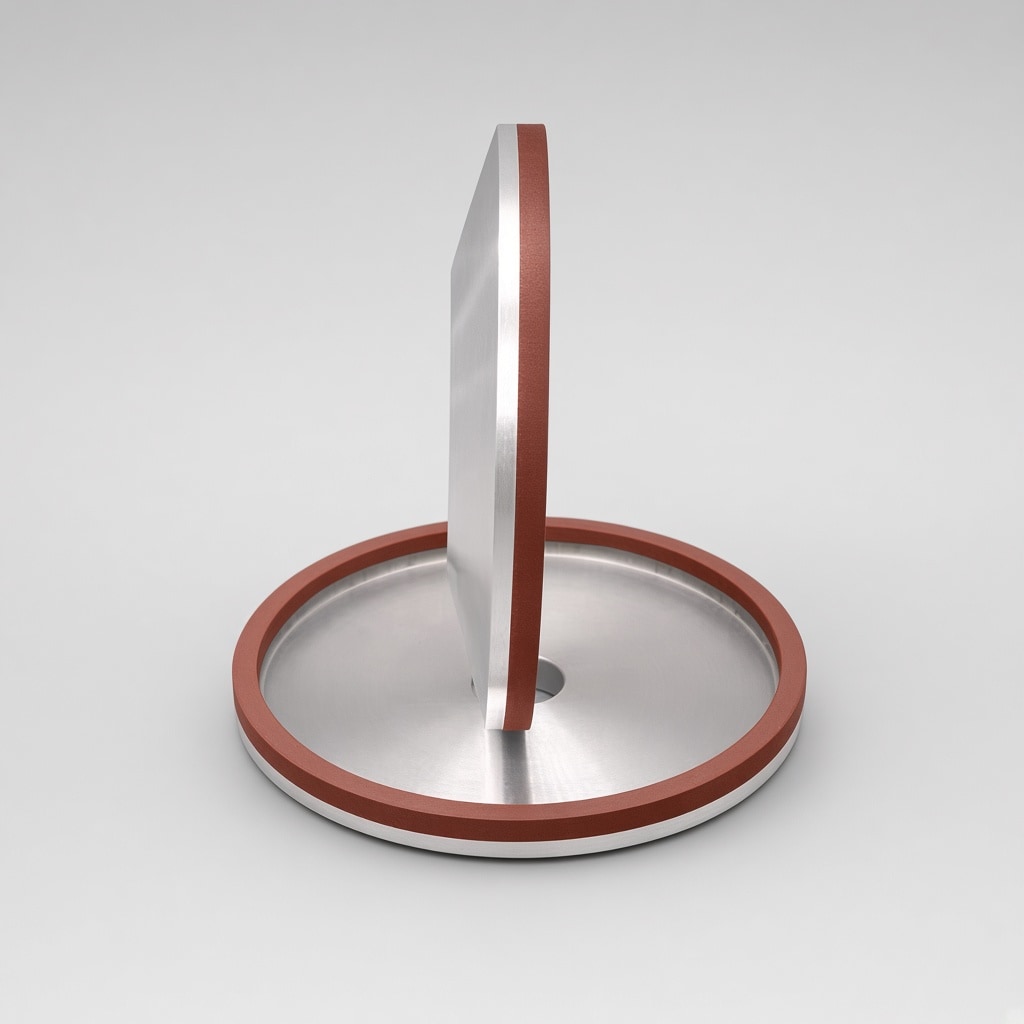
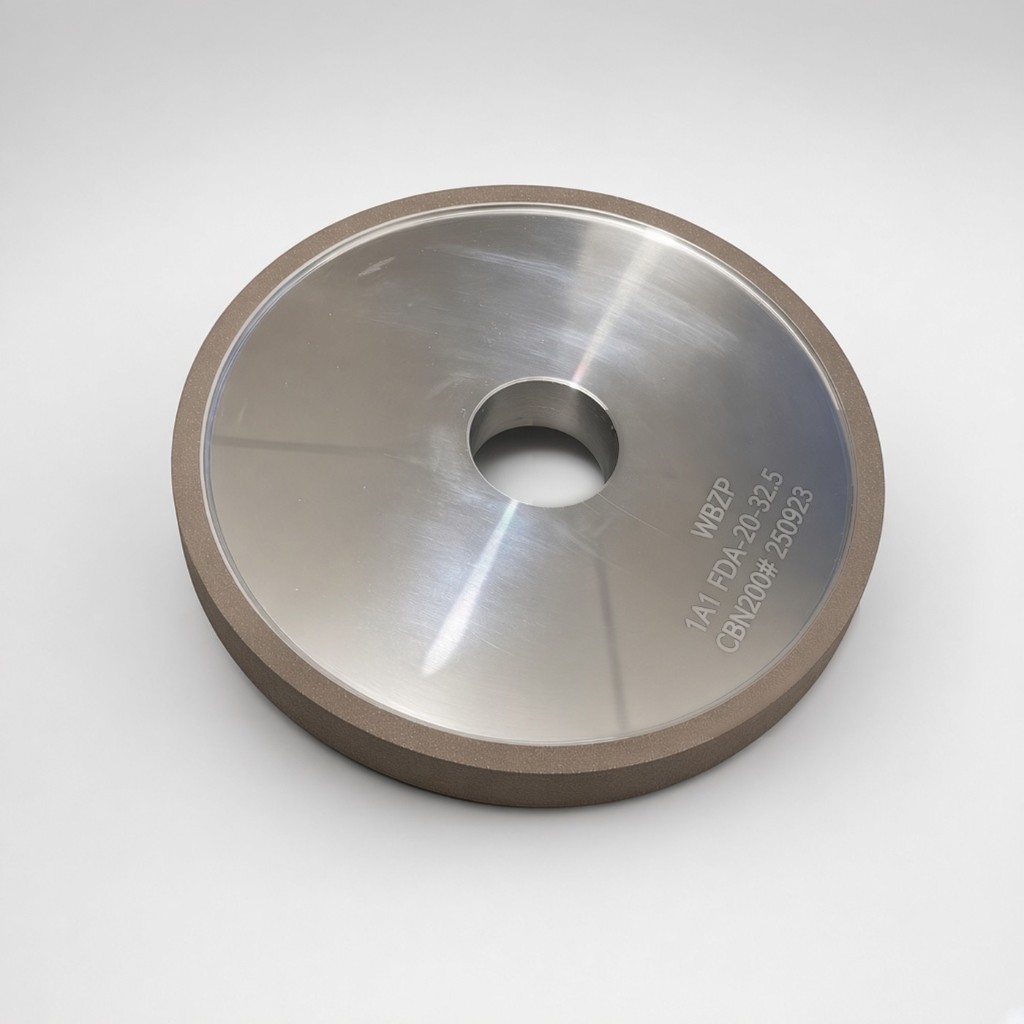
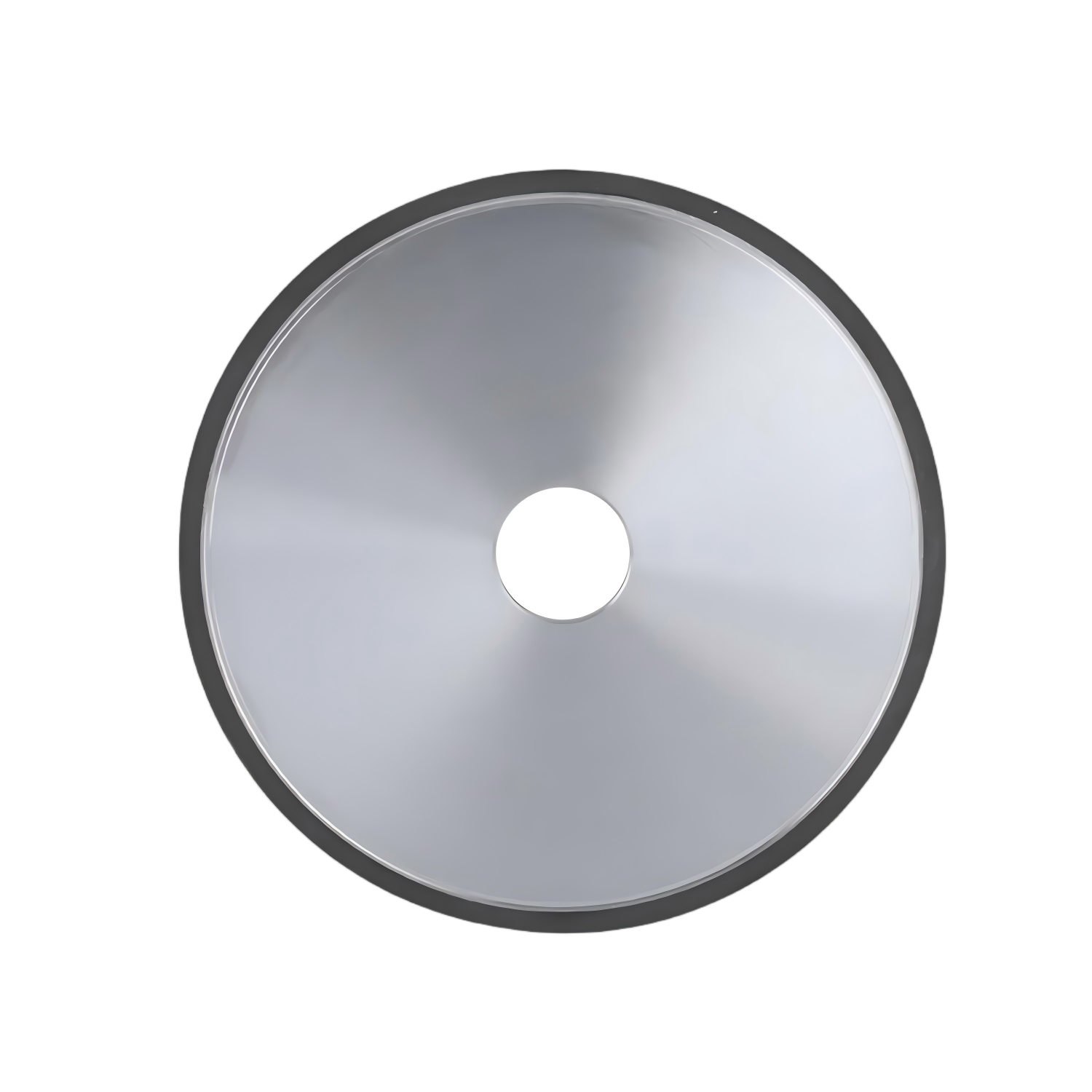
1A1 1A1 wheel drawing Punch OD; OD / ID of a round insert
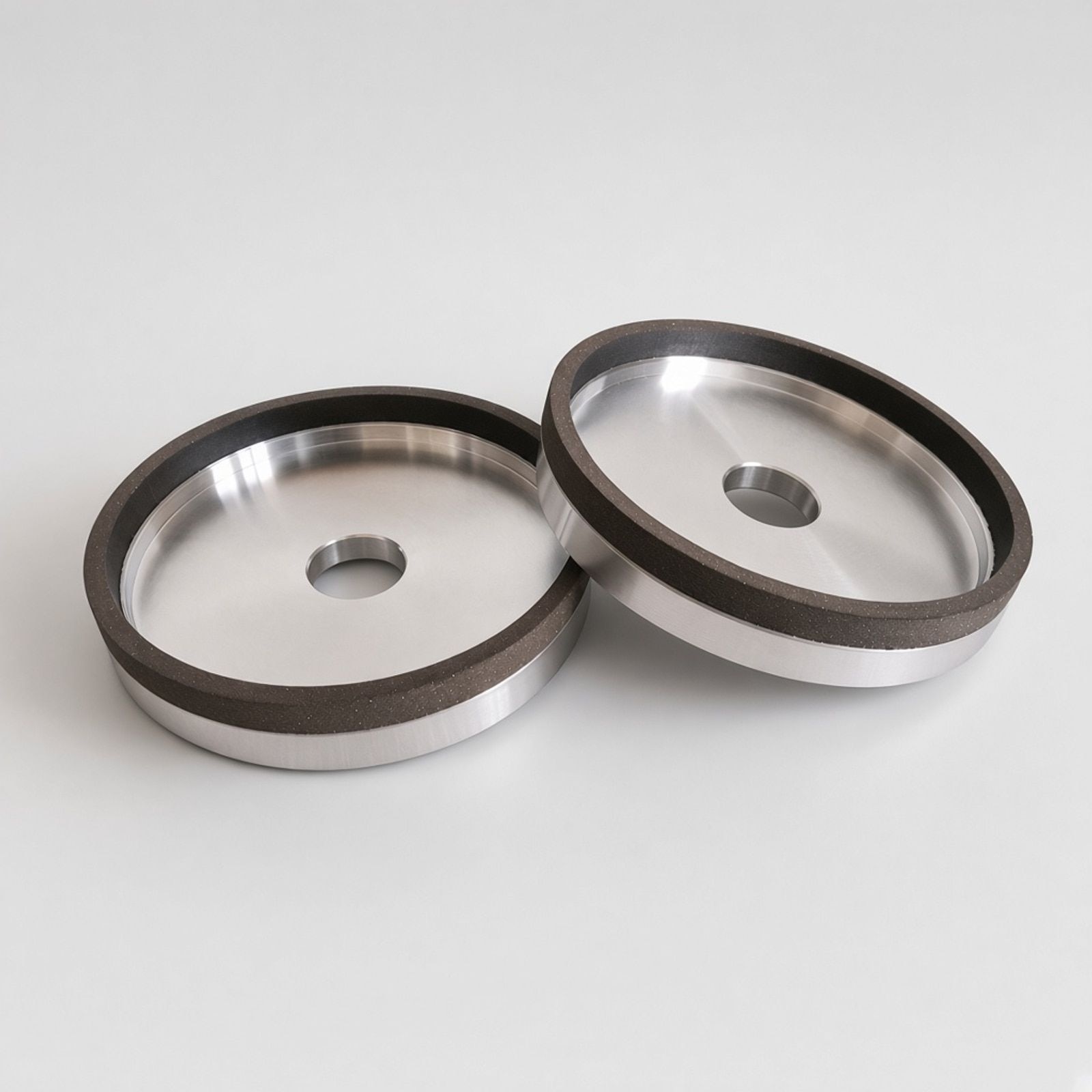
6A2 6A2 wheel drawing Face of punch or die plate; cup on a flat
11V9 11V9 wheel drawing Profile, corner, and clearance on a form insert
12V9 12V9 wheel drawing Tighter form-insert gaps than 11V9

Also available: 1V1, 3A1 (narrow slot, radius, or step), 14V1.

Send your current wheel mark (e.g. 1A1-150-10-32 D64 C75 or a CBN equivalent) or a drawing. We match diameter, thickness, hole, grit, and concentration.
When resin is the wrong wheel

  • Steel punch or cavity with a diamond wheel → CBN
  • High-volume PCD / carbide with in-process dressing → vitrified diamond
  • Thin cut-off of glass, quartz, or LED substrates → metal or electroplated 1A1R

Related Products

Request a Quote