
Application of Resin-Bond Diamond Wheels in Cemented Carbide Tool Grinding
2026-11-02
Cemented carbide tools combine high hardness with high wear resistance, but they are brittle and sensitive to thermal damage. Grinding readily produces edge chipping, microcracks, cobalt-phase softening, and grinding burn. Conventional alumina and silicon carbide wheels cannot meet these process requirements. Resin-bond diamond wheels, offering effective self-sharpening, elastic cushioning, and a high ground-surface quality, have become the mainstream choice for semi-finish grinding, finish grinding, edge grinding, and form-profile grinding of cemented carbide tools.
These wheels use diamond as the abrasive and phenolic resin as the bond. Graphite and pore-forming agents may be added to improve lubrication and heat dissipation. Compared with metal-bond and vitrified-bond diamond wheels, the resin wheel is more elastic: dulled grits shed with slight wear of the bond matrix, continually exposing fresh edges, so the wheel is less prone to loading and glazing. During grinding, the wheel cushions impact and reduces vibration, substantially lowering the risk of chipping on thin edges and tool tips. Used with grinding fluid, it controls temperature effectively and avoids thermal damage to the carbide. A fine surface finish is readily obtained, and finish grinding can reach Ra 0.2 μm or finer.
Wheel selection
Grit: 80–180 mesh for rough grinding; 240–320 mesh for semi-finish grinding; 400–800 mesh and finer for finish grinding and edge polishing.
Diamond concentration: 75%–100% for general edge grinding; a medium concentration for form finish grinding, balancing sharpness and wheel life.
Bond hardness: a softer bond where sharp, self-sharpening action is required; a medium hardness for production finish grinding. Grades filled with graphite provide better lubrication and suit light-duty dry grinding.
Wheel shape: straight, dish (12A2, 12V9), bowl (11A2, 11V9), and 4A2 double-recessed wheels are the most widely used. They suit tool grinders, knife grinders, and saw grinders.
Use and care
Wet grinding is preferred, with a dedicated water-soluble grinding fluid. Hold the peripheral speed within 30–50 m/s, and do not exceed the maximum speed marked on the wheel. Use a small depth of cut and several passes, and avoid impact infeed. Dressing pressure should be light; a silicon carbide dressing stick or dressing tool is sufficient for truing. Store the wheels at room temperature, away from light, heat sources, and solvents. Before mounting, inspect for cracks and balance the wheel statically.
Application value
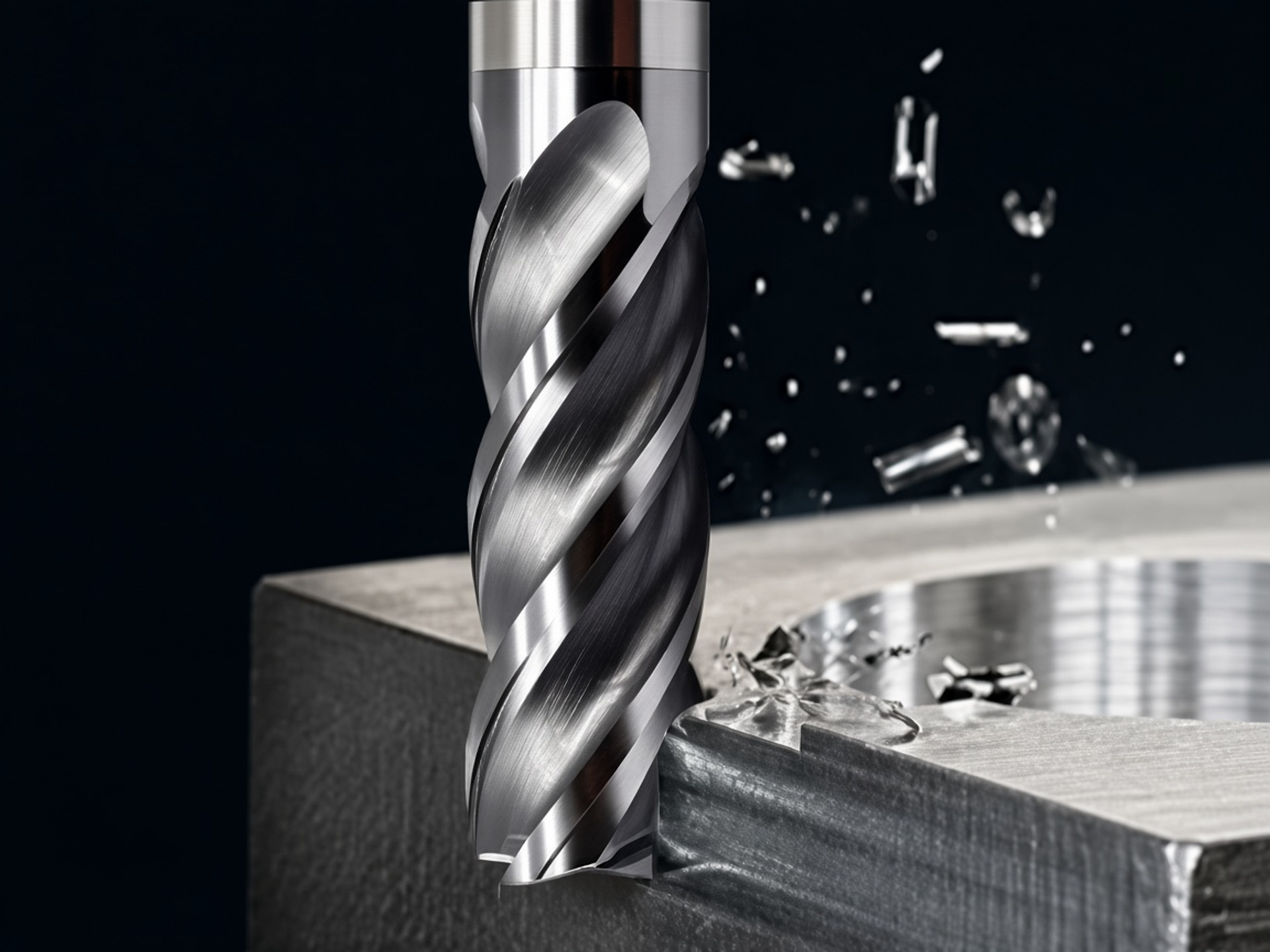
Edge quality of a cemented carbide tool directly determines cutting performance and service life. Resin-bond diamond wheels combine sharpness, low damage, and a fine finish, and are widely used to grind CNC inserts, solid carbide end mills, drills, and carbide saw blades. Newer products—modified resin bonds, porous formulations, and coated diamond—continue to remedy the shortcomings in loading and heat resistance. Proper selection and standardized use are the key for tool manufacturers to stabilize quality, reduce scrap, and control grinding cost.